

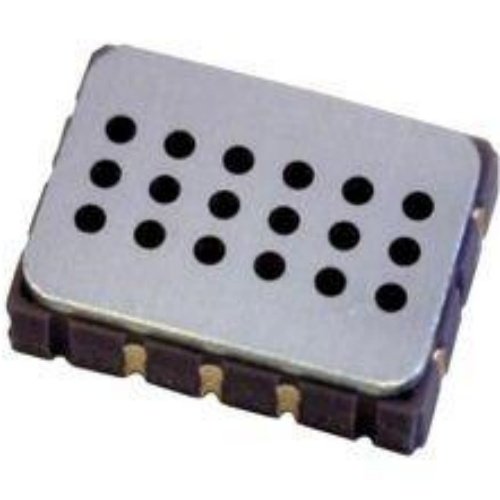
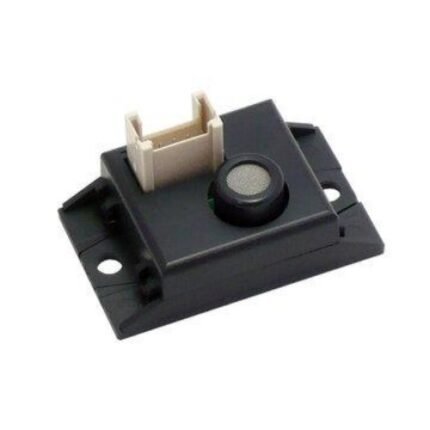

SGX MICS-2714 MICS-4514 MICS-5524 MICS-5914 MICS-6814 Gas Sensor Air Quality Detection
MICS-2714 specifications
Main offering: NO₂ Nitrogen Dioxide
Range: 0.05 ppm ~ 10 ppm (50 ppb~10 ppm), commonly used reference interval 50 ppb~5 ppm
Includes measurable: H₂ Hydrogen 1~1000 ppm (cross-sensitive)
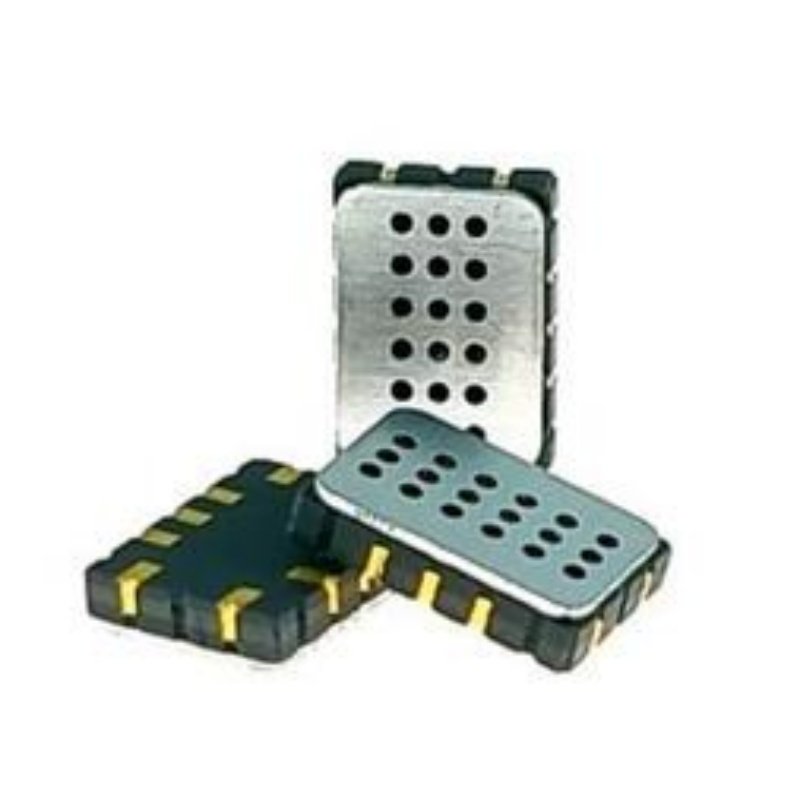
Packaging: SMD surface-mount, size 5×7×1.55 mm, very small, suitable for air detectors and portable devices
Heating power consumption: approximately 43 mW, continuously powered on
Principle: NO₂ is an oxidizing gas; when it encounters the sensor, the resistance of the sensitive layer rises; The reducing gas causes the resistance to decrease. SGX Sensor…
Working environment: Recommended indoors, 23~50°C; Storage/Operating Range: -20 ~ +55°C
MICS-4514
Core range
RED (reduction): CO 1 ~ 1000 ppm, sensitive to H₂, ethanol, VOC, and NH₃
OX (oxidation): NO₂ 0.05 ~ 10 ppm (50 ppb~10 ppm), and SGX Sensor…
Typical uses: indoor air quality, exhaust gas monitoring, portable air detector
Electrical parameters
Dual independent heating wires, each heating power consumption is about 43mW, totaling ≈86mW
Heating voltage: 3.3V
Output: Analog resistance signal, two Rs channels, not direct concentration output, must be calculated by MCU algorithm, temperature and humidity compensation, and baseline calibration
Recommended operating temperature: 23~50°C; Maximum operating temperature: -20 ~ +55°C; No condensing environment
Clean air baseline: The R₀ difference between the two baselines is significant, requiring power maturation (usually stable baseline after 72 hours of power-on time).
MICS-5524
Core detection range
CO:1 ~ 1000 ppm
Ethanol (alcohol): 10 ~ 500 ppm
H₂ hydrogen: 1 ~ 1000 ppm
NH₃ ammonia: 1 ~ 500 ppm
CH₄ Methane: >1000 ppm (sensitivity is relatively low)
Principle: Arrival of reducing gases → Resistance of the sensitive layer
Electrical parameters
Heating voltage: 2.5V
Heating Power Consumption: approximately 83 mW
Output: Analog resistance signal Rs, no direct concentration output, must use MCU algorithm, temperature and humidity compensation, baseline tracking
Clean air baseline R₀: 100 ~ 1500 kΩ
Recommended operating temperature: 23~50°C; Limit: -20 ~ +55°C, no condensation
Recommended power-on curing: Stable baseline above 72 hours
Typical uses
Indoor air quality, simple CO alarm, alcohol detection, initial combustible gas inspection, early smoke/fire detection, portable detectors
MICS-5914
Core detection range
NH₃ ammonia: 100 ppb ~ 10 ppm (0.1~10 ppm), full range up to 1~500 ppm
Cross-sensitivity: Ethanol 10~500ppm, H₂ hydrogen 1~1000ppm, propane/isobutane >1000ppm
Principle: Arrival of reducing gas (NH₃) → Resistance of the sensitive layer drops
Parameters
Heating voltage: 2.2V
Typical heating power consumption: 66 mW (range 60~73 mW), maximum 88 mW
Output: analog resistance signal Rs, no direct concentration output, must use MCU algorithms, temperature and humidity compensation, baseline tracking
Clean Air Baseline R₀:10 ~ 1500 kΩ
Recommended operating temperature: 23~50°C; Limit: -20 ~ +55°C, no condensation
Recommended power-on curing: Stable baseline above 72 hours
Purpose
Ammonia monitoring for livestock and poultry farming, cold storage/cold chain ammonia leaks, air quality in public toilets/garbage stations, portable IAQ detectors
MICS-6814
Three-channel independent detection range
OX (oxidation unit): NO₂ 0.05 ~ 10 ppm (50 ppb~10 ppm), sensitive to O₃ ozone; resistance increases when exposed to NO₂
RED (reducing unit): CO 1 ~ 1000 ppm, sensitive to H₂, ethanol, and VOCs; resistance decreases when exposed to reducing gases
NH₃ unit: NH₃ 1~500 ppm (typical 0.1~10ppm), cross-sensitive to ethanol and hydrogen | when meeting NH₃,
Heating electrical parameters (three independent heating wires)
OX: Heating voltage 1.7V, typical power consumption 43mW
RED: Heating voltage 2.4V, typical power consumption 76mW
NH₃: Heating voltage 2.2V, typical power consumption 66mW
Total power consumption ≈ 185mW
Output: Three independent analog resistors Rs, no direct concentration output, must use MCU algorithms, temperature and humidity compensation, and baseline tracking
Clean Air Baseline R₀: Each route section is different, refer to the datasheet
Recommended operating temperature: 23~50°C; Limit: -30 ~ +85°C, no condensation
Recommended power-on maturation: Stable baseline above 72 hours Seeed Stud
Typical uses
Livestock and poultry farming air monitoring, road exhaust, public toilets/garbage stations, multi-parameter IAQ portable detectors, agricultural environmental boxes
Reviews
There are no reviews yet.